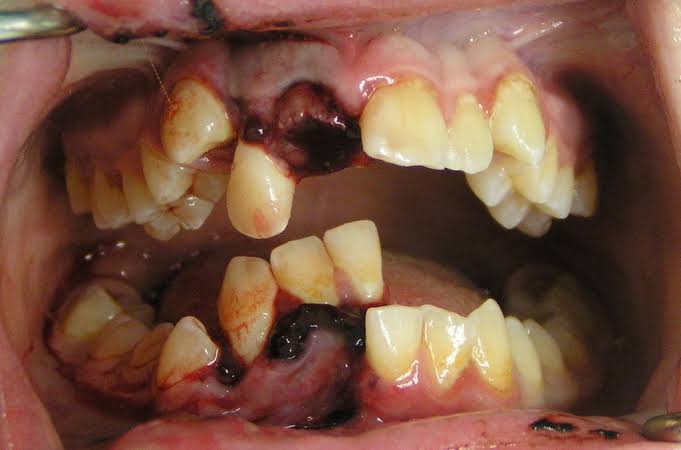
Dental Injuries

- Overview -

Fast, Specialized Care for Injured Teeth

Dental injuries can happen unexpectedly—from sports accidents and falls to everyday trauma. A damaged tooth may develop pain, sensitivity, cracks, or injury to the inner pulp even when the damage is not immediately visible.

At Admire Endodontics of Manvel, we provide specialized evaluation and endodontic treatment for injured teeth. Our goal is to quickly identify the extent of the damage, relieve discomfort, and preserve your natural tooth whenever possible.

Choose Us

Why Choose Us for Dental Injuries?

Prompt Evaluation

Early assessment can help identify damage to the tooth and determine the appropriate treatment.

Specialized Endodontic Care

We evaluate injuries involving the tooth pulp, root, and surrounding tissues with specialized endodontic expertise.

Preserve Your Natural Tooth

When possible, treatment is focused on protecting the injured tooth and maintaining its natural function.

Comfortable Treatment

We use modern techniques and effective anesthesia to help make treatment as comfortable as possible.

Restore Your Smile

Protect Your Tooth After an Injury

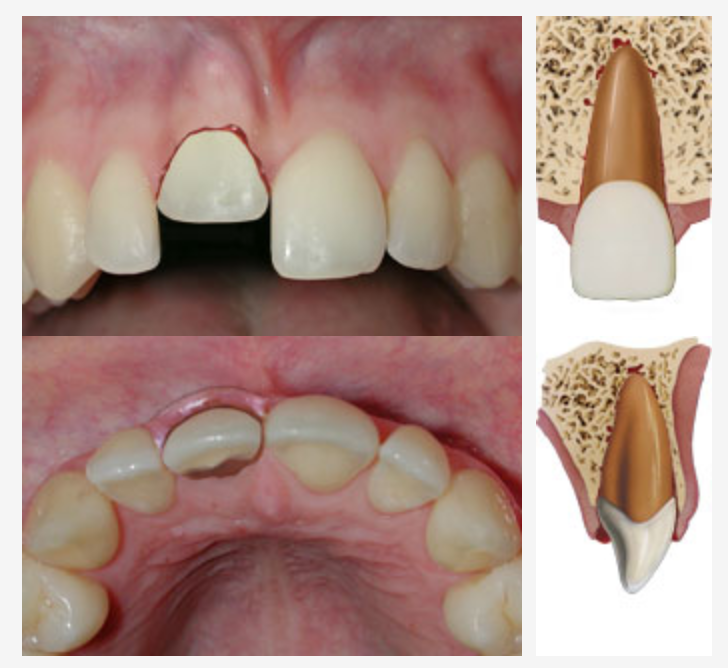
A dental injury can affect more than what you can see on the surface. Even a tooth that looks intact may have damage to the pulp or root. Prompt evaluation can help determine whether treatment is needed and give the tooth the best opportunity to heal.

Evaluate the Damage

Manage Cracks & Fractures

Treat Pulp Injuries

Preserve Your Natural Tooth

Smile Questions? We’ve Got Answers

Smile Questions? We’ve Got Answers

Q1. What types of dental injuries can affect a tooth?

Dental trauma can include chipped or fractured teeth, cracks, displaced teeth, knocked-out teeth, and injuries that affect the tooth’s pulp or root.

An evaluation may be important, particularly if you experience pain, sensitivity, swelling, discoloration, or damage to the tooth. Some injuries may not cause immediate symptoms.

Many injured teeth can be preserved depending on the type and severity of the injury. Treatment depends on the condition of the tooth, pulp, root, and surrounding tissues.

A knocked-out permanent tooth requires prompt dental attention. Handle the tooth carefully by the crown rather than the root, keep it moist, and seek emergency dental care as soon as possible.

Yes. Some trauma-related problems may develop weeks, months, or even longer after an injury. Follow-up evaluation can help monitor the tooth and identify complications