Endodontic Retreatment

- Overview -

Give Your Tooth a Second Chance with Endodontic Retreatment

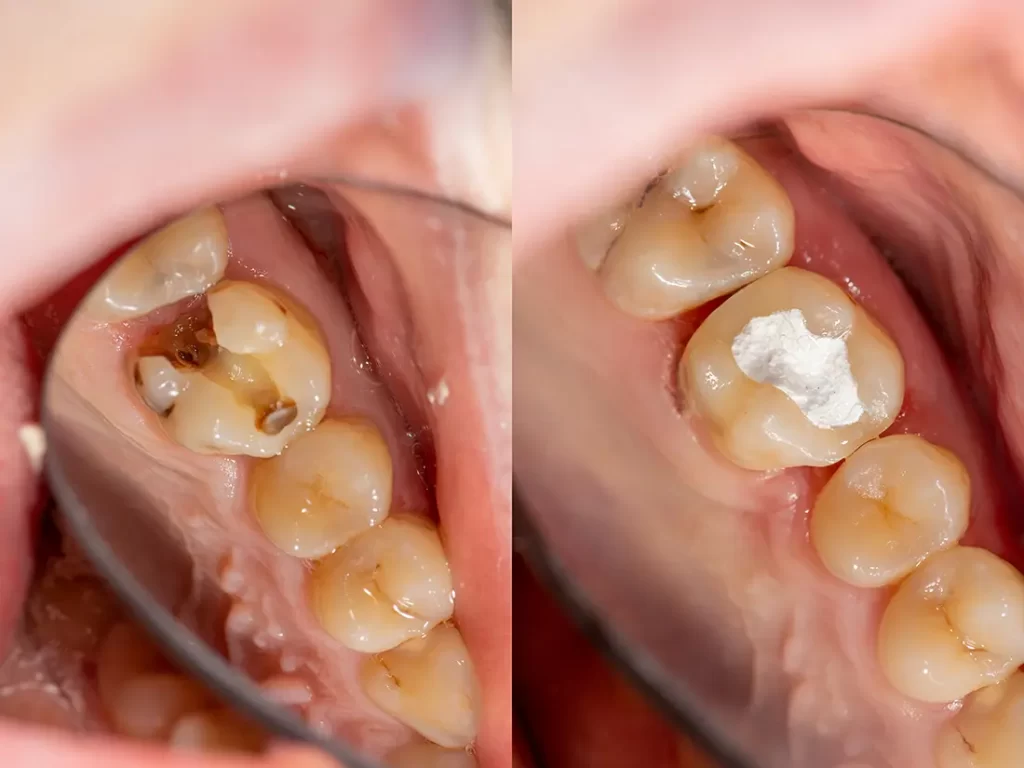
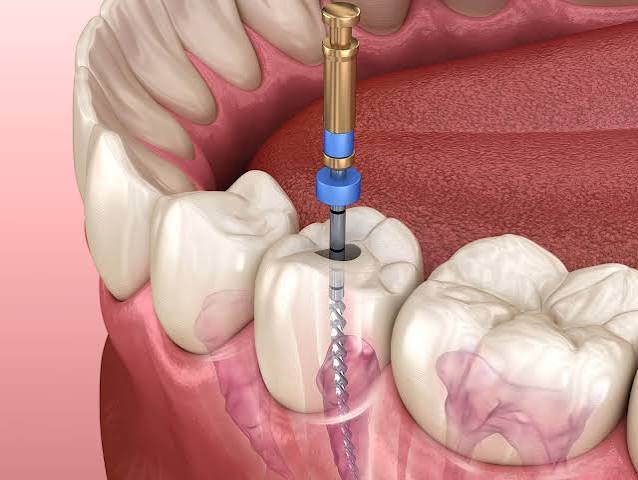
Sometimes a tooth that has already received root canal treatment may develop new infection, discomfort, or other complications. Endodontic retreatment allows our specialists to carefully reopen the tooth, remove infection, clean the root canals, and reseal them to help preserve your natural tooth.

At Admire Endodontics of Manvel, we use advanced techniques and precise treatment planning to provide comfortable, effective retreatment focused on saving your natural tooth.

Choose Us

Why Choose Endodontic Retreatment?

Treat Recurring Infection

Address infection or inflammation that develops after a previous root canal treatment.

Preserve Your Natural Tooth

Retreatment can help save your natural tooth and avoid extraction whenever possible.

Advanced Endodontic Care

Specialized techniques and modern technology allow for precise evaluation and treatment.

Comfortable Treatment

We focus on patient comfort throughout the procedure with careful treatment and personalized care.

Your Smile, Your Confidence

Restore Your Tooth, Protect Your Smile

Endodontic retreatment can help resolve problems associated with a previously treated tooth and give it another opportunity to function comfortably.

Remove Persistent Infection

Preserve Your Natural Tooth

Correct Treatment Complications

Restore Long-Term Function

Smile Questions? We’ve Got Answers

Smile Questions? We’ve Got Answers

Q1. What is endodontic retreatment?

Endodontic retreatment is a procedure performed on a tooth that has previously had root canal treatment but has developed infection, symptoms, or another endodontic problem.

Retreatment may be recommended when a previous root canal did not completely heal or when a new infection develops. Causes can include missed or difficult-to-clean canals, inadequate sealing, new decay, or problems with the tooth’s restoration.

Possible signs include tooth pain, sensitivity, swelling, tenderness when biting, or a recurring infection around a previously treated tooth. Sometimes there may be no noticeable symptoms, and the problem is discovered through an examination or dental imaging.

Modern endodontic techniques and local anesthesia are designed to make retreatment as comfortable as possible. Some tenderness or sensitivity may occur after treatment and generally improves as the tooth heals.

In many cases, yes. The goal of endodontic retreatment is to eliminate infection and preserve the natural tooth whenever it can be successfully treated and restored.